
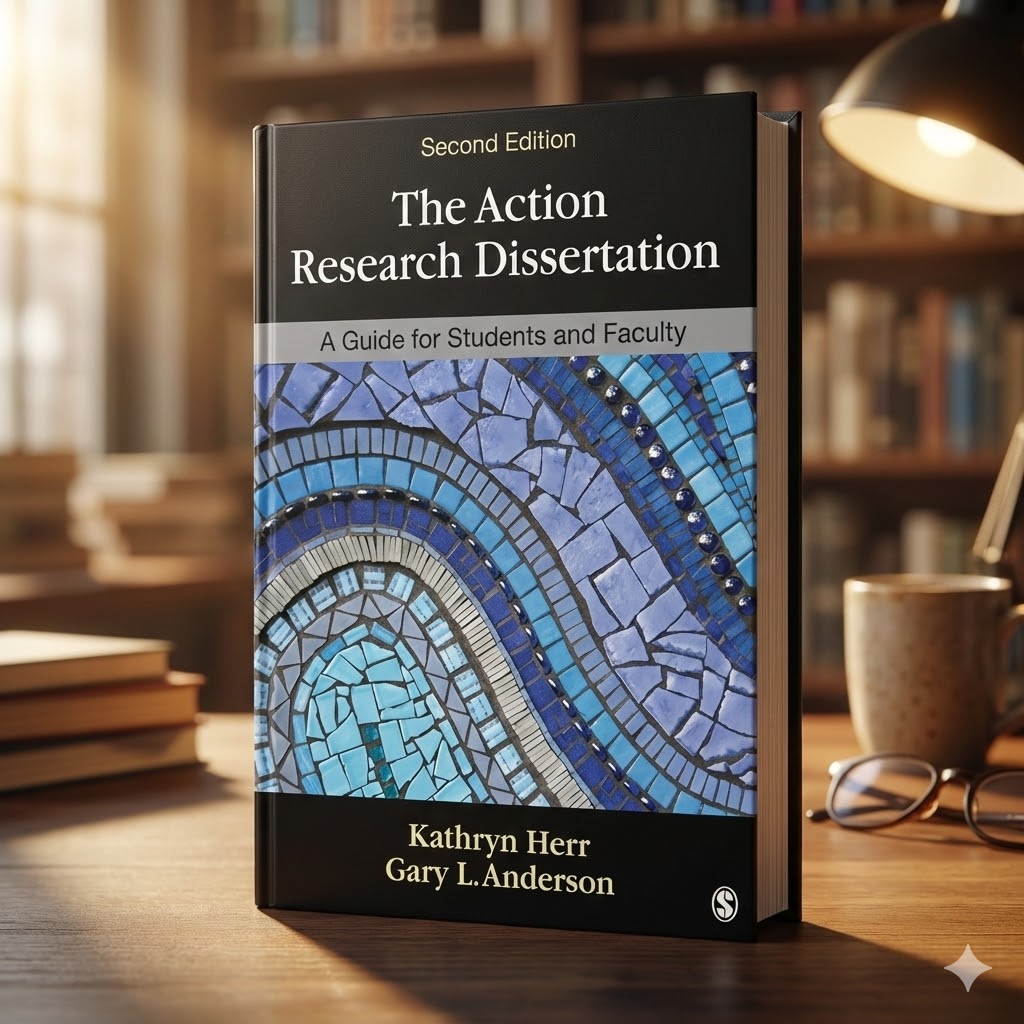
The Action Research Planner: Doing Critical Participatory Action Research
Publisher: Springer
৳ 500.00
Book Features & Quality
Premium Paper: Off-white Karnaphuli paper, 80 GSM
Perfect Size: B5 (a little smaller than A4 but bigger than standard books)
High-Quality Print: Computer printed, sharp and clear fonts
Durable Binding: Forma binding, strong and long-lasting
Elegant Cover: Paperback, portable and attractive design
Comfortable Reading: Ideal for eye comfort
Description
- The book focuses on Critical Participatory Action Research (CPAR).
- It challenges traditional action research and offers new ways of thinking.
- Research is done with people, not on people.
- Practitioners and community members work together as co-researchers.
- The book highlights participation, collaboration, and shared decision-making.
- It explains key ideas like practice, participation, and practice architectures.
- Clear step-by-step guidance is provided for the whole research process.
- Readers learn how to form action research groups and set shared goals.
- Ethical issues and responsible research practices are strongly emphasized.
- The book teaches how to collect evidence and reflect through journals.
- Five real-world CPAR project examples are included.
- It helps connect academic research with real social and educational change.
Title | The Action Research Planner: Doing Critical Participatory Action Research |
|---|---|
Authors | |
Publisher | |
Edition | 1st |
Number Of Pages | 201 |
Stephen Kemmis, Robin McTaggart, and Rhonda Nixon are internationally respected scholars known for their groundbreaking work in critical participatory action research. Together, they have shaped modern understandings of how educators, communities, and practitioners can collaborate to solve real-world problems and transform learning environments.
Stephen Kemmis is a leading theorist in education and social change. His work focuses on how collective action and reflective practice empower people to improve their own situations. He has guided generations of researchers in adopting participatory methods that promote justice, equity, and real transformation.
Robin McTaggart is widely recognized for advancing the theory and practice of critical action research. With extensive experience working in schools and academic institutions, he emphasizes the importance of collaboration, professional dialogue, and shared responsibility in achieving meaningful improvement.
Rhonda Nixon brings rich experience as an educator and school leader to the field of participatory action research. Her work focuses on improving student engagement, teacher development, and inclusive learning communities. She is committed to bridging theory and practice so that change efforts remain relevant to the people they impact.
Their book, The Action Research Planner: Doing Critical Participatory Action Research, is a powerful guide for educators and researchers who want to take an active role in changing the world around them. Built on decades of scholarship and field-based experience, it provides a clear framework for planning, conducting, and evaluating research that empowers participants, strengthens relationships, and creates sustainable improvement.
Springer is one of the oldest and most prestigious academic publishers in the world, with roots dating back to 1842 when Julius Springer founded the original publishing house in Berlin.
Over many decades, Springer has grown into a global publishing giant. Today it operates internationally under Springer Nature, serving the research community around the world.
What Makes Springer Stand Out — Key Strengths & Achievements
- Extensive Scholarly Output & Subject Breadth: Springer publishes a massive volume of scholarly works — including hundreds of thousands of books and thousands of peer-reviewed journals spanning science, technology, medicine (STM), social sciences, humanities, engineering and more.
- Strong Global Reach & Accessibility: With offices and operations spanning continents (Europe, North America, Asia, etc.), Springer ensures its books and journals are accessible worldwide — both in print and digital formats.
- Leadership in Digital & Online Publishing: Springer was among the early adopters of digital publishing. Through platforms like SpringerLink and other online services, researchers worldwide get fast access to e-books, articles, reference works and scientific data — making research more convenient and widely available.
- Legacy of Academic Excellence & Historical Gravitas: Since the 19th century, Springer has published works by leading scientists and scholars. Its long history lends weight and credibility to its publications.
- Commitment to Research Quality and Standards: Through rigorous peer-review, editorial integrity, and high academic standards, Springer ensures that its publications remain reliable, credible, and valuable to scholars, educators, and researchers worldwide.
- Support for Open Science and Accessibility: Under Springer Nature, the publisher has embraced open-access models and digital dissemination, helping broaden global access to scientific knowledge and facilitating research dissemination across borders.
Reviews
There are no reviews yet.